
Product Categories

SMT PCB Assembly Service

Production Capacity

Quality Assurance

SMT Equipment

SMT Assembly Service Process

SMT, or Surface Mount Technology, is a crucial technique for automated PCB assembly. It eliminates the manual insertion of component pins through through-holes, replacing it with the input of design files into pick-and-place machines. This automated production enhances product reliability, consistency, and facilitates rapid turnover. The SMT PCB assembly follows a structured, chain-like process, where the bare board undergoes pick-and-place, surface mounting, and reflow soldering to form the PCBA board. In modern electronic assembly, SMT technology holds a prominent position, as the distance between components and the PCB significantly affects signal transmission. SMT assembly allows the use of leadless or short-leaded components (SMC/SMD). If your electronic project requires SMT PCBA services in China, be sure to contact Bstar Technology for more affordable quotes.

Preparation Phase

To ensure the quality of SMT board assembly, FS Technology meticulously reviews the files submitted by clients and inspects the purchased components before the assembly process begins. This not only avoids potential economic losses but also mitigates the risk of delivery delays. This sets FS Technology apart from other SMT contractors.

DFMA Check


DFMA, or ‘Design for Manufacture and Assembly,’ is a methodology that ensures the design of a circuit board enables high quality and efficiency during the manufacturing and assembly phases. Upon receiving your project files, they are promptly handed over to our engineering team. The engineers assess and review the design files for any potential deficiencies, redundancies, or other issues. If any design flaws are identified, the engineers promptly provide feedback and offer troubleshooting assistance, making successful SMT fabrication achievable.

Components Checking

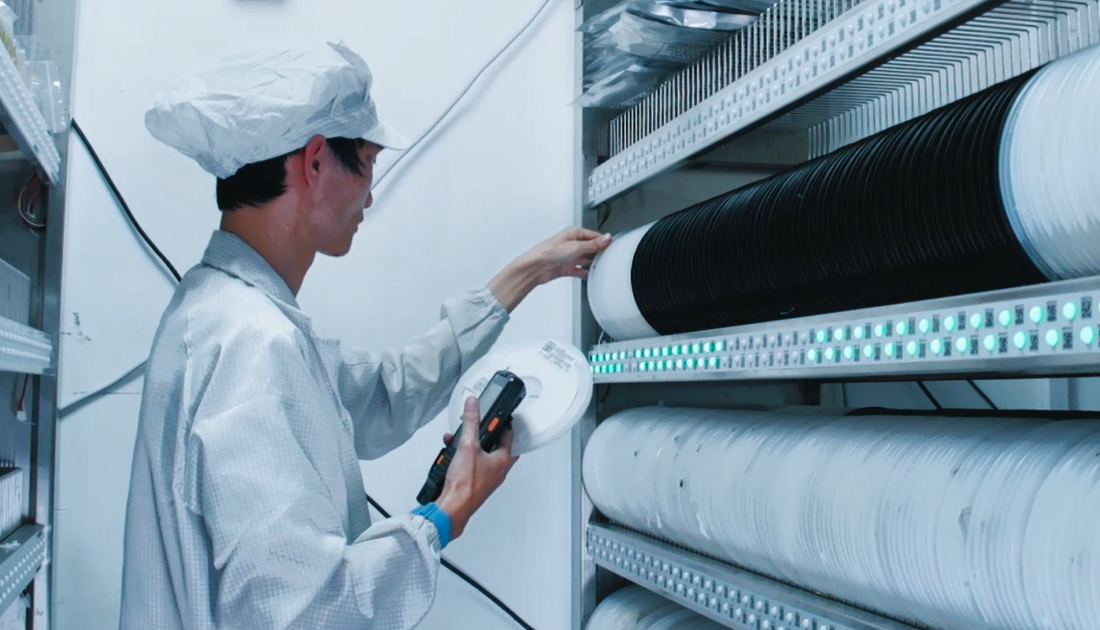
After the design verification process, the project proceeds to the next stage. We procure the necessary components from our trusted suppliers based on the provided BOM file. To avoid unexpected issues during transportation that could lead to delivery delays, we employ various inspection methods to validate the quality, known as incoming inspection.

Assembling and Soldering

SMT Assembling and Soldering

Step 1: Solder Paste Application

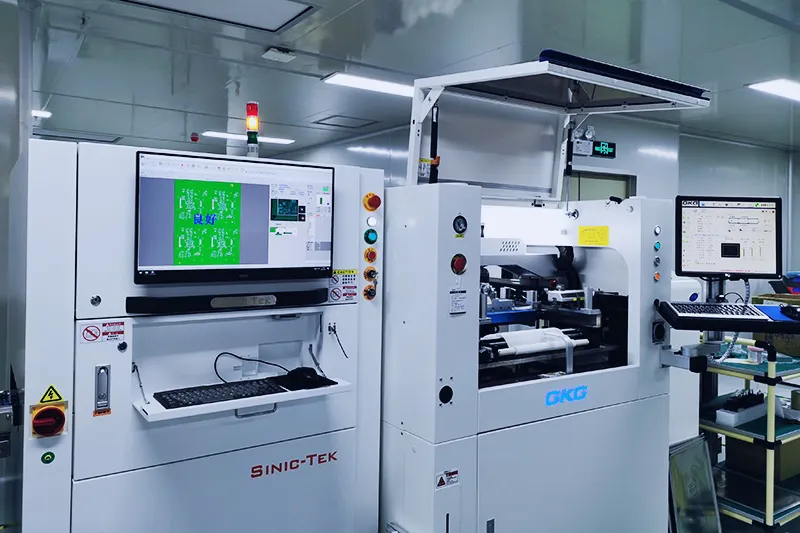
The PCB assembly process involves the use of solder paste to secure components. The first step in surface mount assembly is applying solder paste to precise locations. This process includes spreading solder paste on a PCB stencil and then using a squeegee to allow the solder paste to drop through the holes in the stencil onto the soldering points.


Step 2: Place Components

The entire surface-mount assembly process is automated. Manufacturers are required to provide coordinate files to the equipment for efficient operation. A pick-and-place robot, equipped with vacuum nozzles, is used to select and position components based on the instructions from the coordinate files.

Step 3: SPI Inspection

This stage is dedicated to inspecting the quality of solder paste and surface-mount components. At this point, the solder paste is in a molten state, allowing for immediate adjustments if any issues are identified. Omitting SPI testing at this stage can make rework challenging, as robust solder joints have already been formed during the reflow soldering process.

Step 4: Reflow soldering

After ensuring the accurate application of solder paste and components on the board, the semi-finished SMT circuit board is transported on a conveyor belt to the reflow soldering for curing to the required specifications. At this point, the board goes through four stages: Preheating→thermal soaking→reflow→cooling. Once the entire process is completed, the molten solder paste solidifies, firmly soldering the SMD components onto the PCB. An interesting fact is that when choosing an SMT PCB manufacturer, it is advisable to examine the specifications of their reflow soldering oven, as the length and throughput can impact the quality of cooling and heating. FS Technology utilizes a 10-zone reflow oven.

Step 5: AOI

Due to the high-temperature nature of the soldering process, AOI inspection is conducted after reflow soldering to ensure the quality of the solder joints. AOI equipment uses cameras to scan the surface-mounted PCB board and compares the obtained data with set parameters. If defects are identified, they are marked for rework.

Follow-up

Step 1: Plug-in

For the entire PCBA project, SMT assembly is just one step, and certain components may not be suitable for this process. Therefore, through-hole assembly is required, and wave soldering is performed to complete the PCBA board.

Step 2: Cleaning

The process involves the use of various chemical agents such as solder, flux, etc. If the PCB is not cleaned after assembly, it may shorten its lifespan. FS Technology will clean the PCB with isopropyl alcohol.

Step 3: Final Test

The final stage of the PCB assembly process is conducting functional tests to verify that the PCB operates as expected. Additionally, depending on the application, there may be further requirements. For instance, automotive PCB might undergo drop tests, and medical PCB might require halogen testing.

Related Products

Consultation